What is a VPN? A Simple Guide for Everyday Users
By masking your IP address and routing your data through secure servers, a VPN safeguards your personal information from potential threats and unauthorized access.
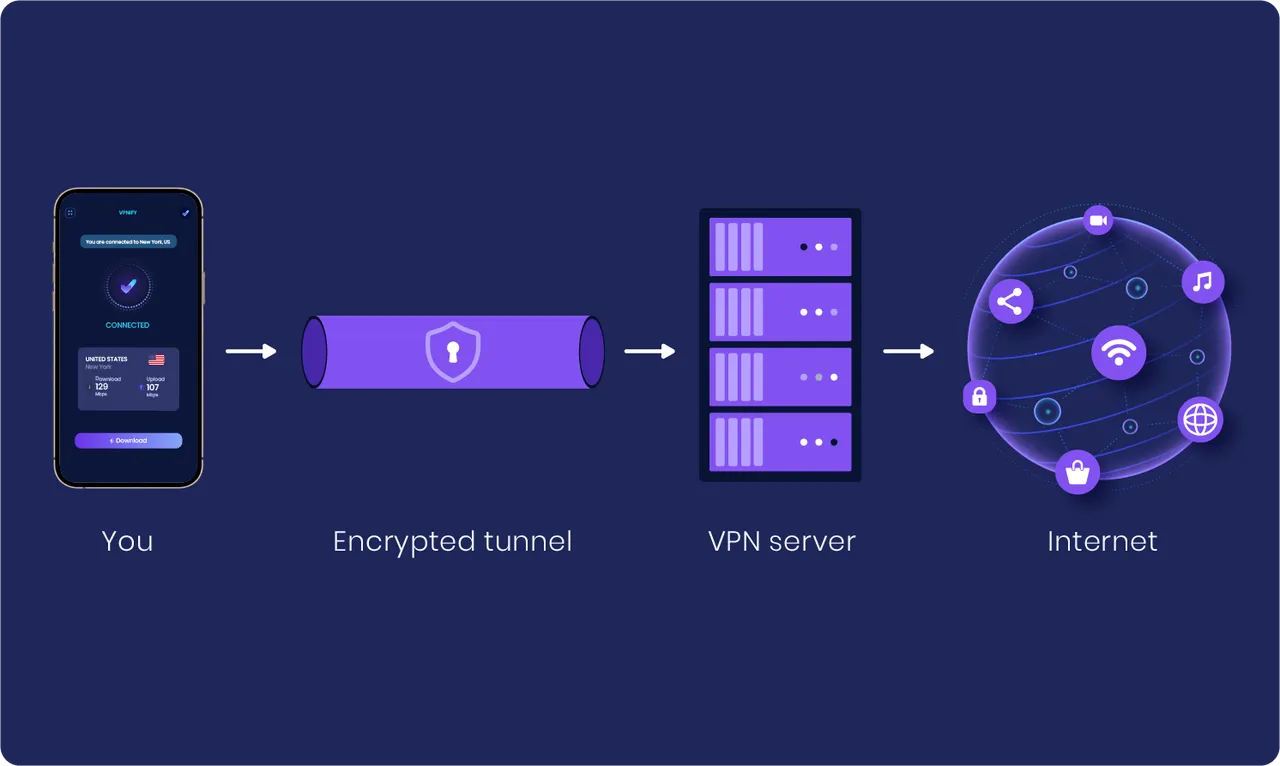
How Does a VPN Work?
Imagine the open internet is a public highway. Normally, everyone on the road can see the car you are driving, your license plate, and what you are carrying. Using a VPN is like driving a heavy-duty armored truck with tinted windows down that exact same highway. No one can see inside your vehicle, and no one knows exactly where your trip started. Your VPN software takes all your data, wraps it in an unbreakable code (encryption), and routes it securely through a private intermediary server.
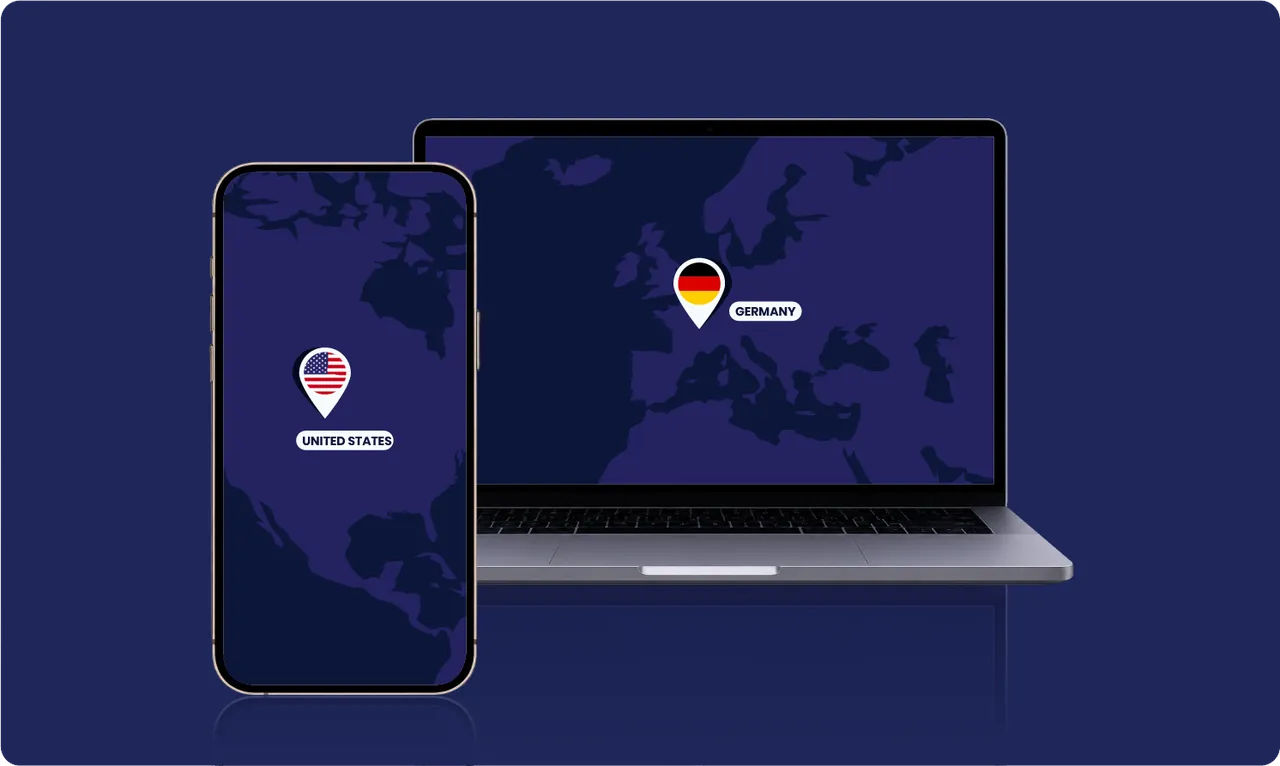
Bypassing Censorship & Geo-Blocks
By changing your virtual location to a different country, a VPN helps you bypass local firewalls and restrictive geographic censorship. Because your traffic appears to be coming from the VPN server’s location, this allows you to freely access blocked websites, streaming shows, region-restricted content, and social media platforms anywhere in the world.
Simple Topics to Understand Your VPN
1. What is a “Kill Switch”?
Even the best internet connections can be unstable. If your connection to the VPN server suddenly drops for a split second, your phone or computer might automatically try to reconnect using your regular, unprotected internet.
A “Kill Switch” is a built-in safety net that instantly blocks all your internet traffic until the secure VPN tunnel is successfully re-established. This guarantees your real IP address never accidentally leaks onto the public web while the app is trying to reconnect.
2. What is a “No-Logs” Policy and a Warrant Canary?
Because your VPN provider acts as your secure middleman, they technically have the power to see what you do online. That’s why trustworthy providers enforce a strict “no-logs” policy. This is a promise that they will never monitor, record, or store your browsing history, IP address, or personal data.
To prove their dedication to privacy, many VPNs publish a “Warrant Canary.” This is a regular, public message stating that the company has not received any secret government subpoenas or demands for user data. If a government agency ever forces them to hand over information and orders them to keep quiet about it (a gag order), the company simply stops updating the canary message. This sudden missing update acts as a silent alarm to warn users that the provider might be compromised.
3. Common VPN Myths
“Free VPNs are just as safe or aren’t safe at all.”
Both are correct from their own point of view. On one hand, running fast, global servers is very expensive. If a VPN service is totally free, they are likely paying their bills by aggressively injecting and running Ads. These Ads come with Ad SDKs like the Meta Audience Network, which directly harvest your device telemetry.
A massive peer-reviewed study by Oxford University analyzing nearly one million Android apps found that almost 90% of them are set up to transfer data back to Google. The median app shares data with 10 different third parties.
“A VPN works like an Antivirus.”
A VPN creates a safe, invisible tunnel for your data to travel through, but it doesn’t check the data itself for malware. If you click on a malicious link and download a virus, the VPN will simply deliver that virus securely to your computer. You still need basic safe browsing habits.
“A VPN makes me completely anonymous.”
While a VPN gives you a massive privacy upgrade by hiding your true IP address from the public web, true 100% anonymity is nearly impossible. If you continuously log into your personal Google, Amazon, or Facebook accounts while connected to a VPN, those companies strictly know exactly who you are based on your persistent account activity, regardless of your masked physical location!
Ready to protect your privacy?
Your privacy, speed, and access — guaranteed. Try our premium Plus plan risk-free with our 30-day money-back guarantee.